How to Stop Your Neighbour's Dog Barking (Without a Council Complaint)
It's 5:47am and you're awake again, and it's not even your dog.
If that sentence made your jaw tighten, this guide is for you. Barking disputes are one of the most common neighbourhood complaints in Australia, and one of the few problems where the person suffering has almost no direct control. You can't train a dog you don't own. You can't move it, walk it, or bring it inside. What you can do is work a sensible ladder, starting with the easiest step and ending with the formal one, and most situations resolve well before the last rung.
First, Understand Why The Dog Next Door Barks All Day
Most all-day barkers aren't bad dogs. They're bored, anxious about being alone, or reacting to movement and noise at the fence line. That last one matters for everything below: a huge share of nuisance barking happens at or near the shared fence, because that's where the interesting sounds and smells are. It's also usually why the owner genuinely doesn't know how bad it is. The worst barking happens precisely when they're not home to hear it.
Step 1: The Friendly Chat
Unfair as it feels, this is still the highest-percentage move. Assume good faith and lead with information, not accusation: "Hey, not sure if you're aware, but Max barks quite a bit during the day while you're out. No drama, just thought you'd want to know." Many owners are mortified and fix it. If face to face feels hard, a short, friendly note in the letterbox does the same job.
Step 2: Give It A Fair Window
Training takes weeks, not days. If the owner seemed receptive, give it two or three weeks before deciding nothing has changed. Keep loose notes of dates and times in the meantime. If things do end up formal later, that record becomes valuable.
Step 3: The Humane Middle Step
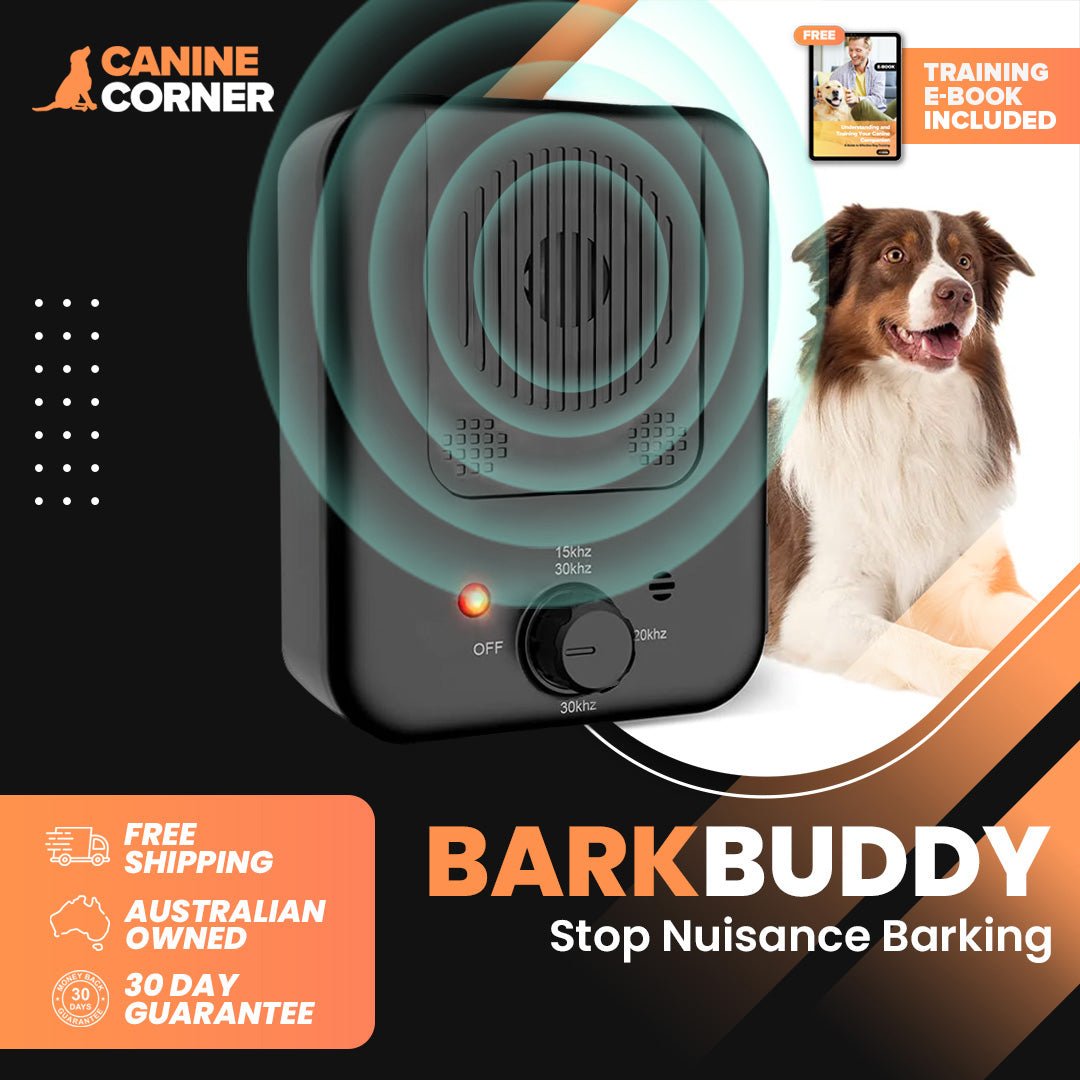
When the conversation goes nowhere, or you'd honestly rather keep the peace without having it again, there's an option most Australians don't know exists: an ultrasonic bark deterrent mounted on your own side of the fence.
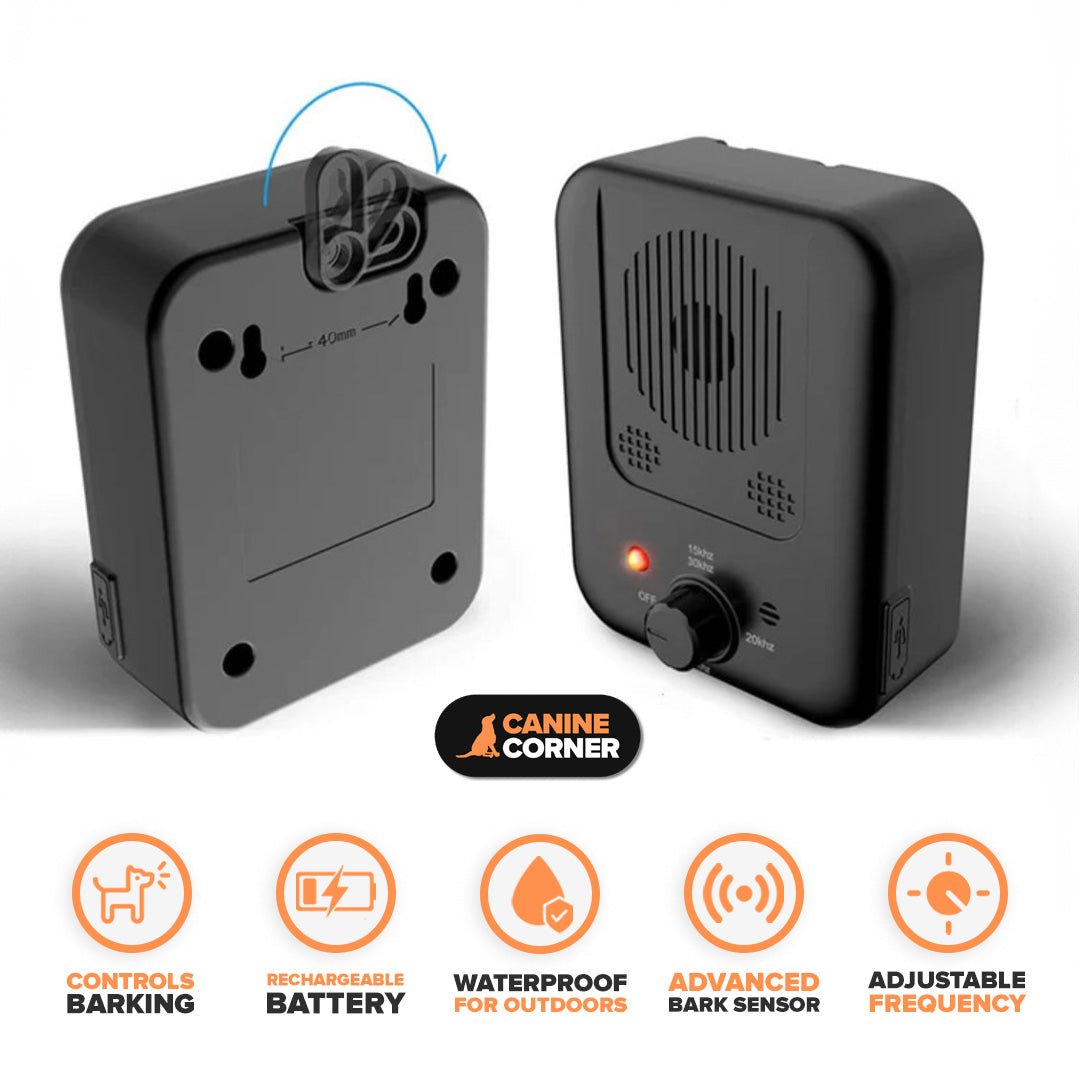
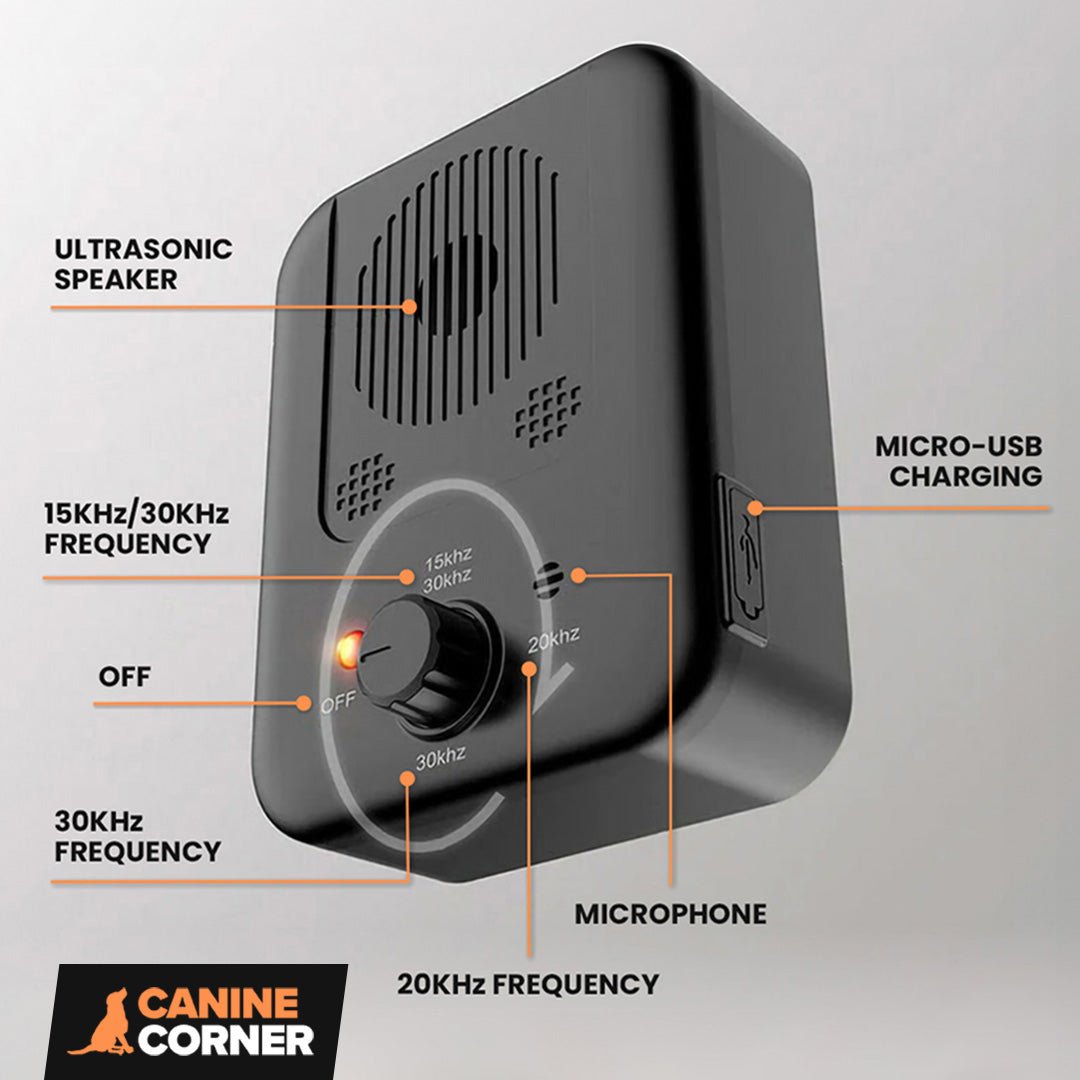
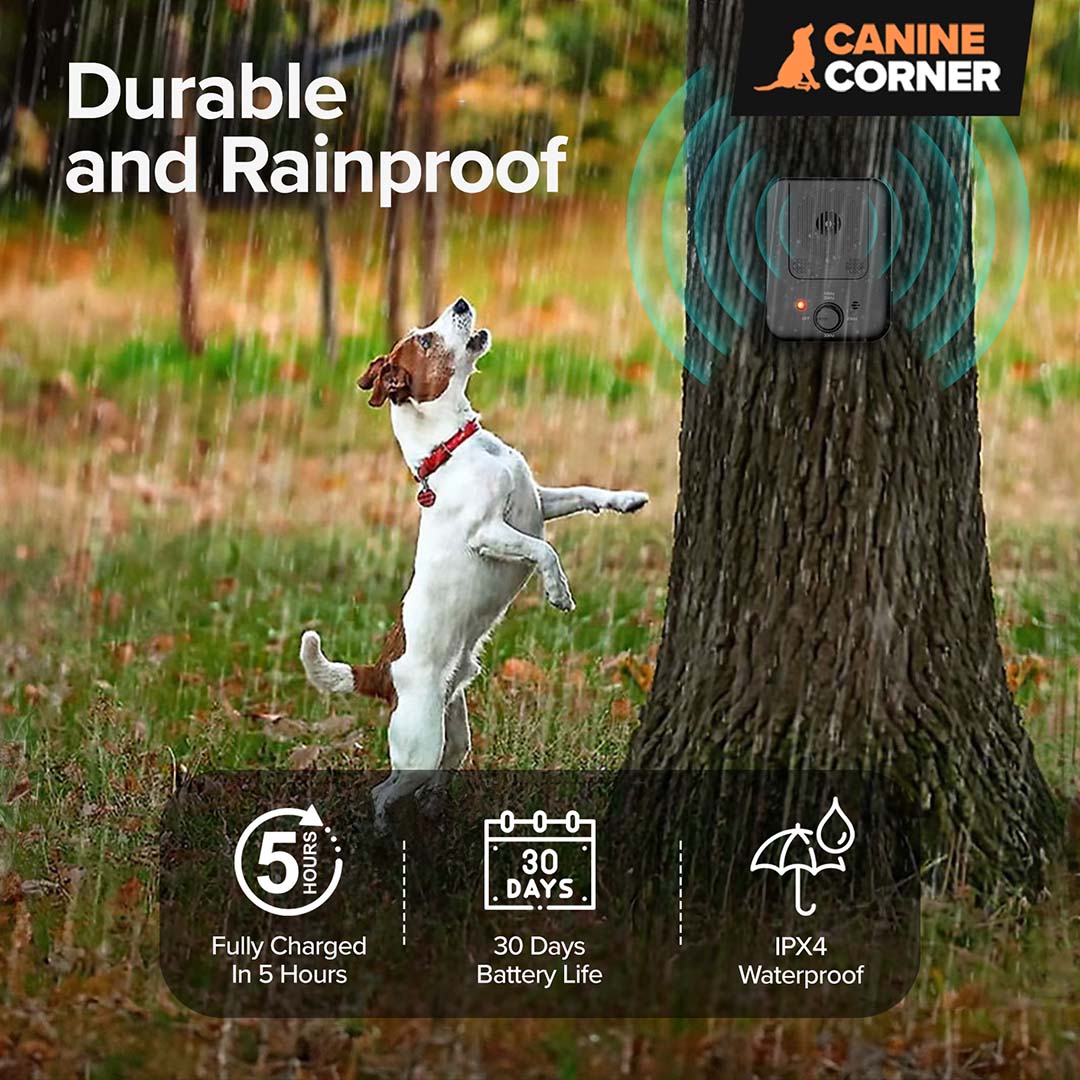
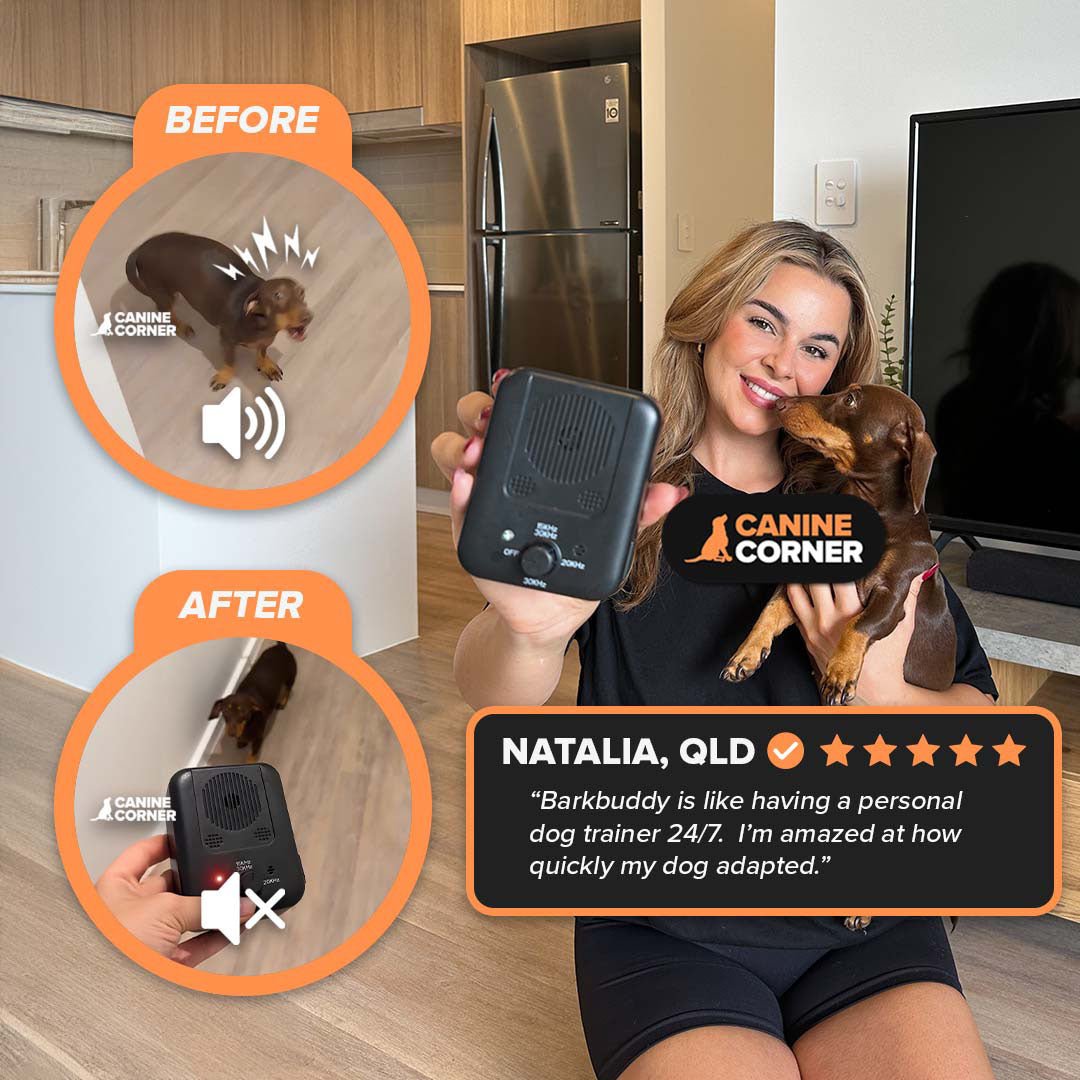
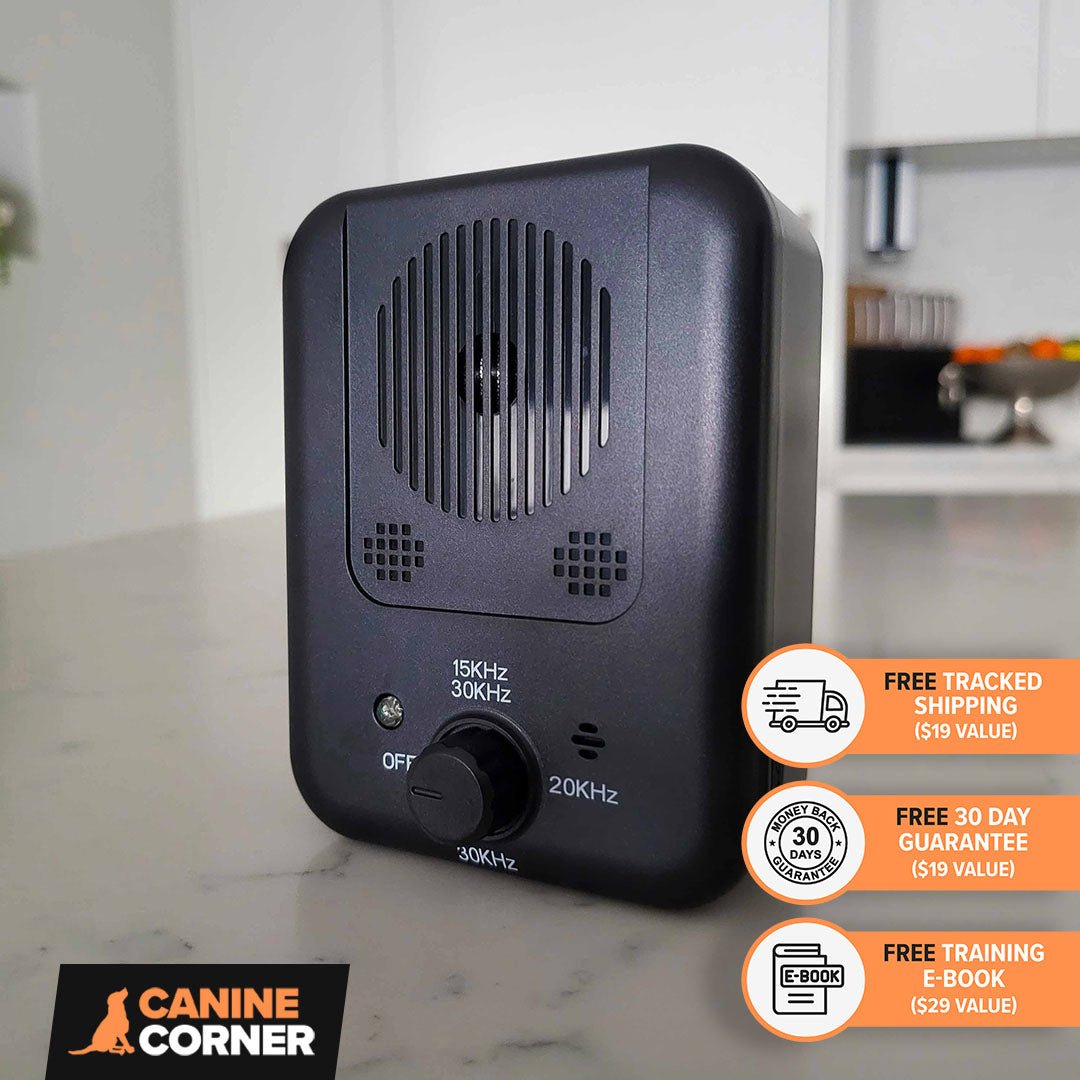
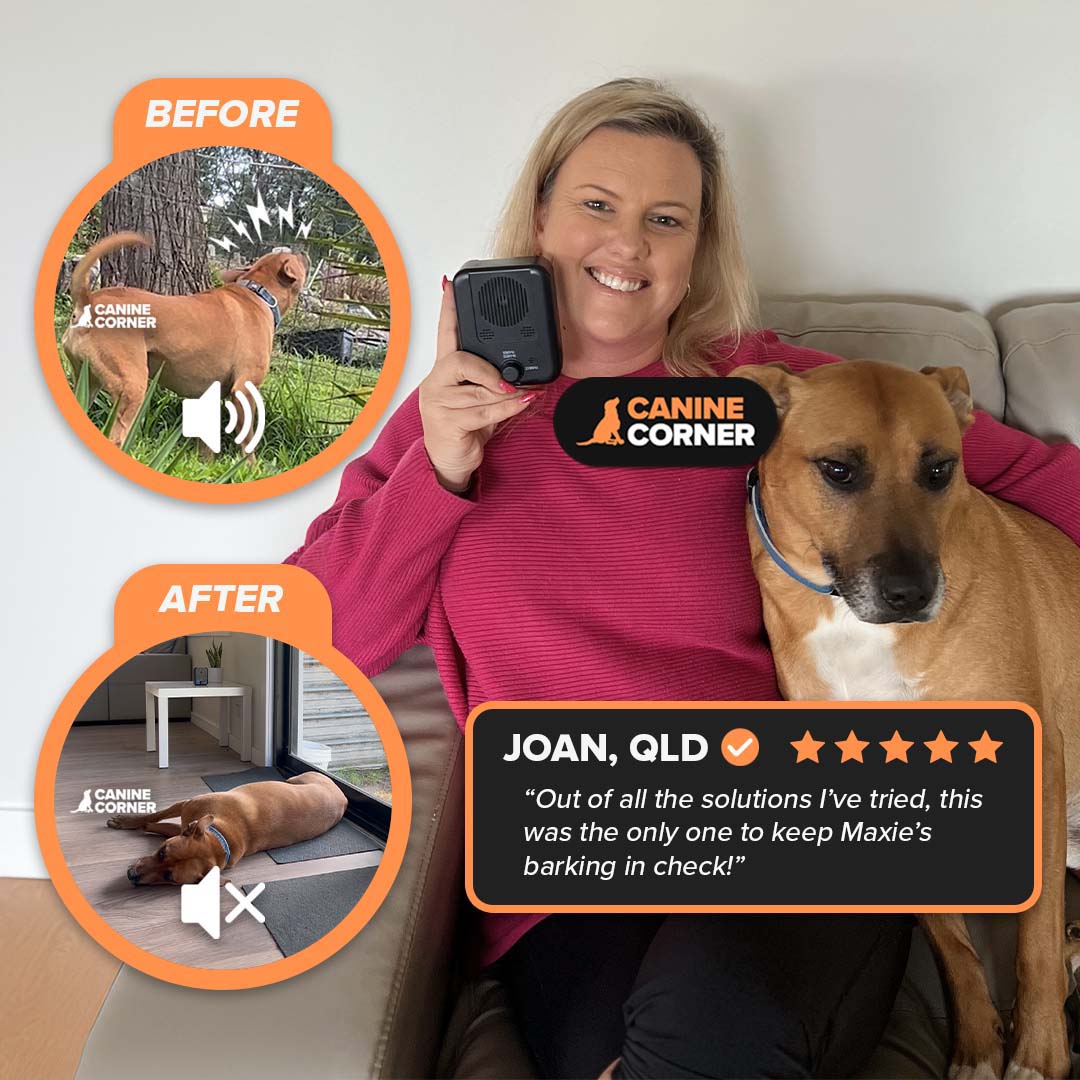
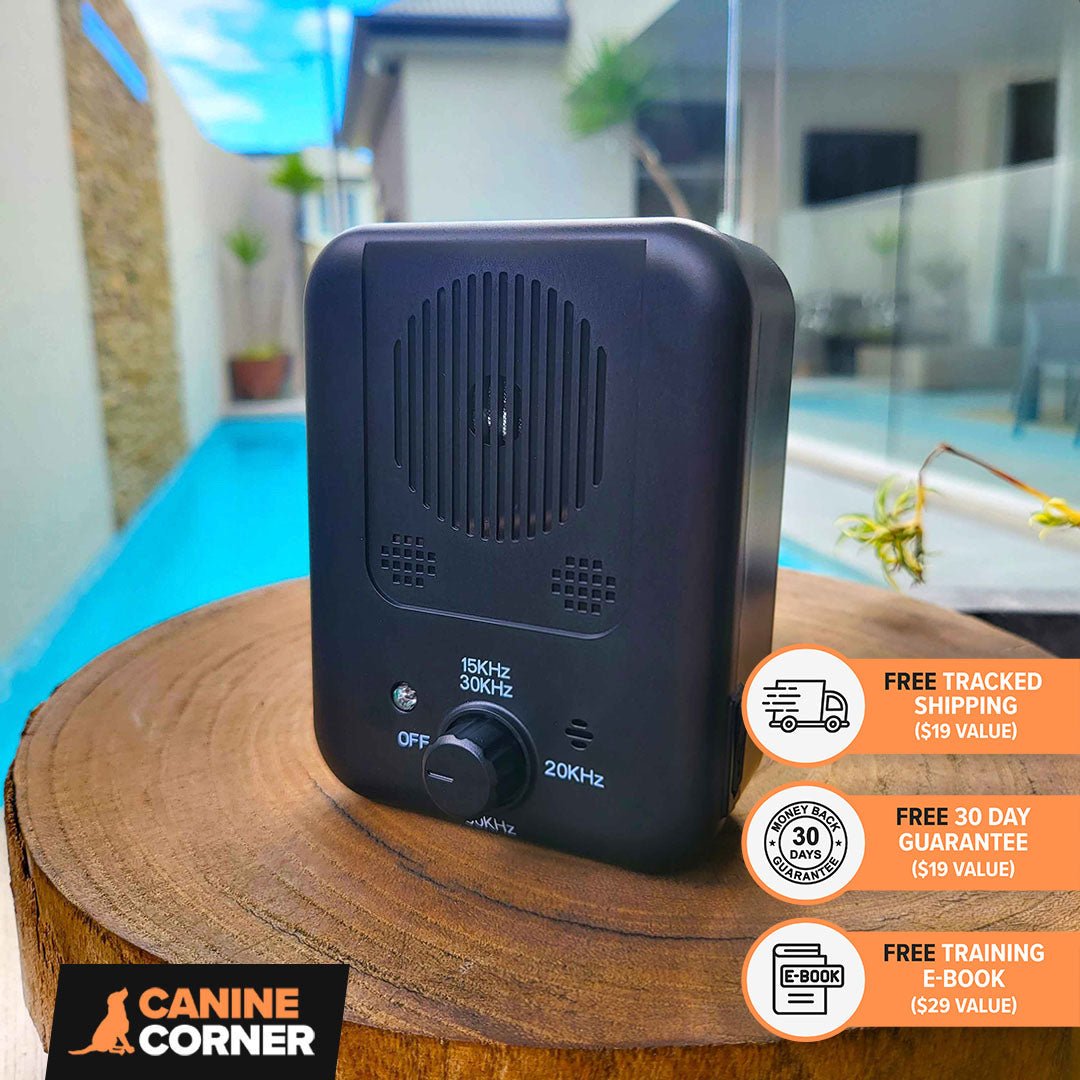
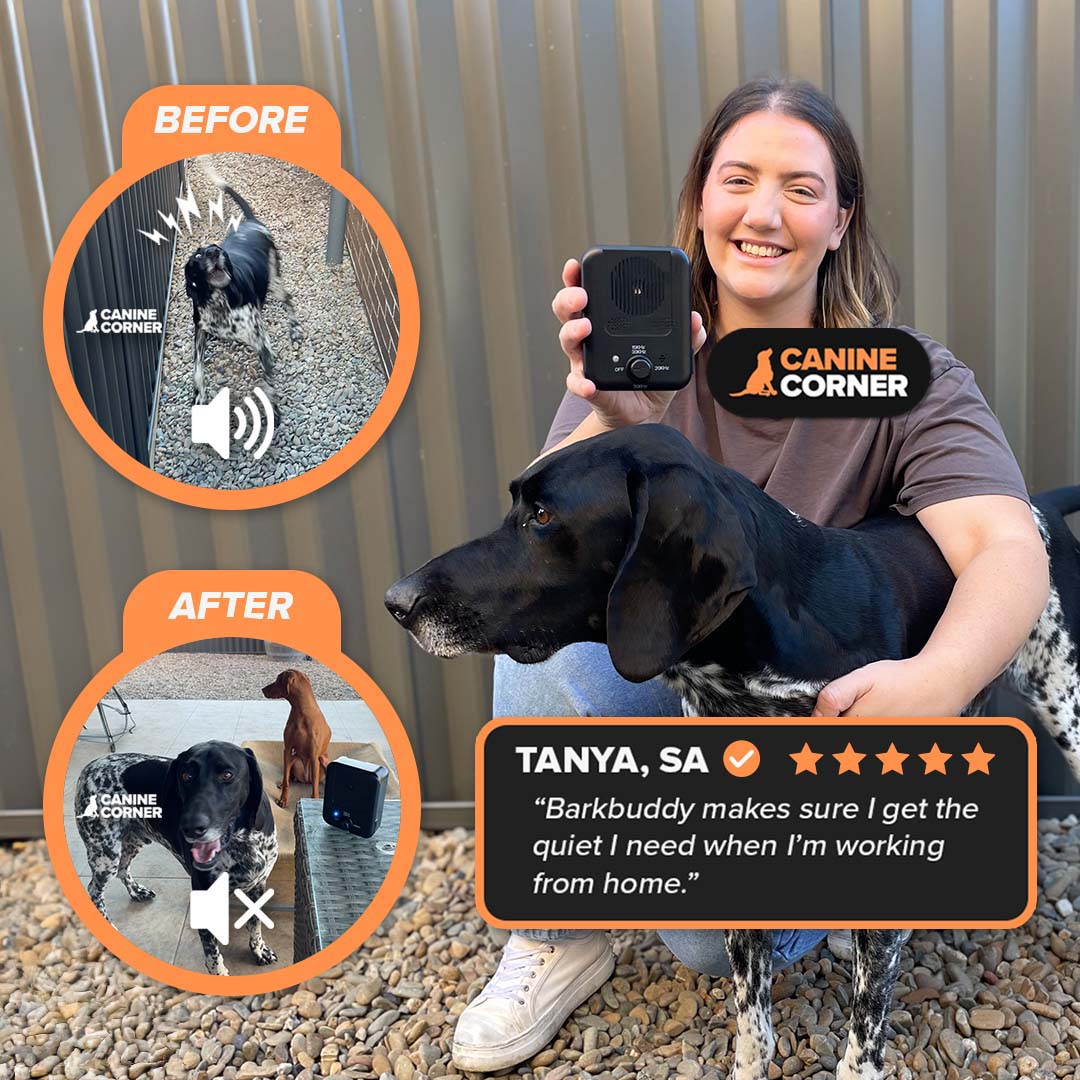
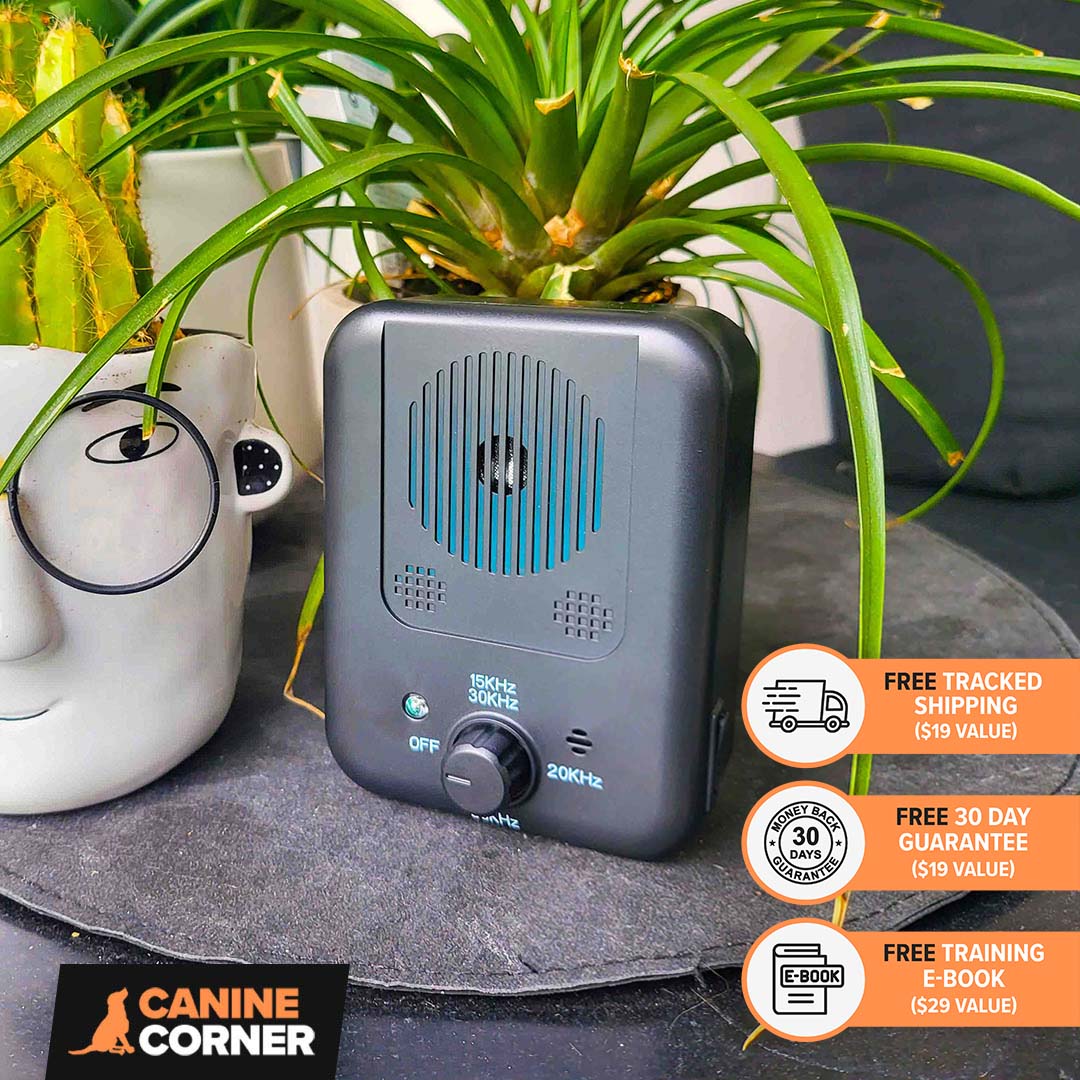
Here's how they work. The unit sits quietly until it detects barking, then plays a brief high-pitched tone that dogs find annoying but humans can't hear. Barking stops, tone stops. Over days, most dogs connect the two and settle. No shock, no pain, no contact, and nothing for you to do after mounting it. It works on whichever dog is barking within range, which is the point: it doesn't matter that the dog isn't yours.
Placement is everything, so here's the honest physics. Ultrasonic sound travels in straight lines and won't pass through a solid fence. Mount the unit above fence height or where there's a clear line of sight to where the dog barks, facing that spot. Effective range on a quality unit is around 10 to 15 metres, which comfortably covers the fence-line barking that makes up most of the problem. If the dog barks from deep in their yard well beyond that, be wary of any device claiming it will fix it, whatever the box says.
Two more honest notes. These devices don't work on every dog: deaf and hearing-impaired dogs won't respond, and a small percentage of dogs simply ignore them. And they're legal to buy and use across Australia; animal welfare laws apply to how any training device is used, which is exactly why the humane, bark-activated type is the category to stay in.
This is the use case we built Barkbuddy for, alongside training your own dog. It's trusted by 50,000+ dog owners, mounts in minutes, and if you're in the small group whose dog doesn't respond, that's what the guarantee is for. Full placement guidance comes with every unit.
Step 4: The Council Route
If nothing above lands, every Australian council has a process for nuisance barking. Expect to be asked for a barking diary covering dates, times and duration, often over a couple of weeks, and complaints carry more weight when more than one household is affected. Councils can investigate, issue notices and, in persistent cases, fines. Two things to know going in: the process takes time, often months, and it's rarely anonymous in practice, since the owner can usually work out which direction the complaint came from. That's why it belongs at this rung of the ladder and not the first.
Step 5: Mediation
Most states run free or low-cost community mediation services for neighbourhood disputes. If the relationship is worth preserving and the council route feels nuclear, a mediated conversation sits usefully in between.
What Not To Do
Don't yell over the fence, it teaches the dog that barking gets a response. Don't use air horns or anything designed to frighten, that escalates the dog and the neighbour. And don't place anything on their property, however tempting the internet makes it sound. Your side of the fence is your domain; theirs isn't.
Quick Answers
Is it legal to use an ultrasonic bark deterrent on a neighbour's dog in Australia?*
Yes. They're legal to buy and use nationwide, from your own property. Welfare laws govern how any device is used, which is why bark-activated ultrasonic units, which make no contact and stop the moment barking stops, are the humane standard.
How long can a dog legally bark?*
There's no fixed national time limit. Councils assess persistence, time of day and impact on neighbours, which is why the diary matters.
Do ultrasonic deterrents work through fences?
Not through solid ones. Mount above fence height or with a clear line of sight to where the dog barks.
Wanting quiet in your own home isn't unreasonable, and it doesn't make you the neighbourhood villain. Work the ladder, start friendly, and know that the middle rungs exist.
*This guide is general information, not legal advice. Council processes and timelines vary; check your local council's website for the process in your area.